

Israel’s first prime minister, David Ben-Gurion, used to say that the fate of Israel would be decided in the Negev desert. “It is in the Negev that the creativity and the pioneering vigor of Israel shall be tested.” His words made clear the geographic and strategic importance of this region was vital for Israel’s survival.
The Negev Foundation’s goal is to enhance the quality of life in the Negev for current and future residents. We support innovative projects that help drive economic growth in agriculture and technology.
A Vast Area
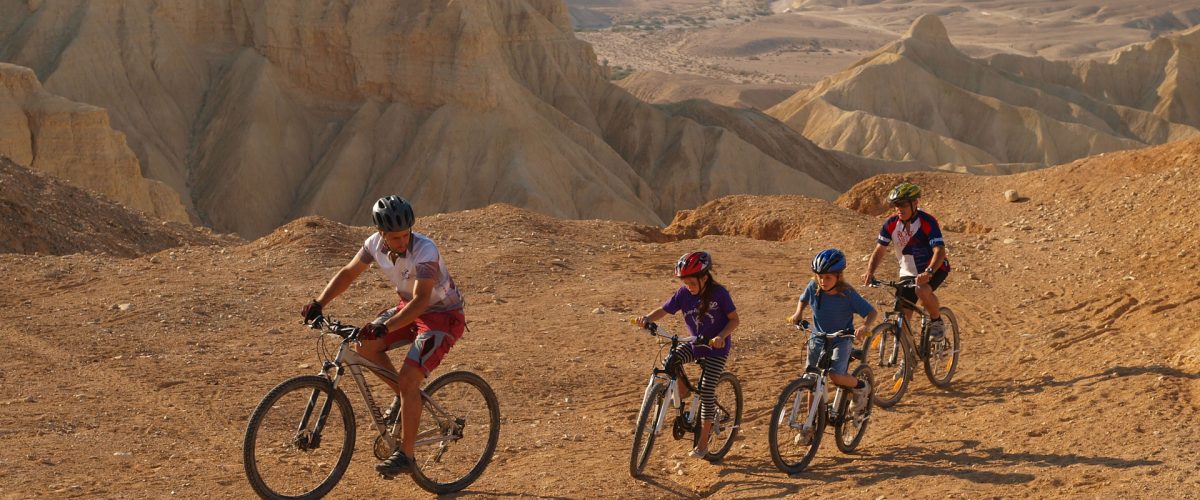
The Negev’s historical importance is derived from its geographical position as a land bridge connecting Asia and Europe on the one side, with Africa (Egypt) on the other.
Human life in the Negev dates back to 7,000 years ago when nomads inhabited the area. It has always served as a crossroads for trade and traffic between the continents.
The Negev makes up nearly 60% of Israel’s territory, starting in the coastal plains of the Judean Hills and extending to the sourthern port of Eilat, it spans 4,700 square miles. The region comprises six major cities and 17 local and regional councils. Beer Sheva (population 210,000), known as the capital of the Negev, is the largest of the region’s cities.
The region is rich in mineral resources. Potash, bromine, and magnesium are extracted at Sedom, at the southern end of the Dead Sea, and copper is mined at Timna. There are large deposits of ball clay and glass sand for the ceramic and glass industries. Phosphate works have been established at Oron and Zefaʿ and natural gas fields at Rosh Zohar.
Turning the Desert Green
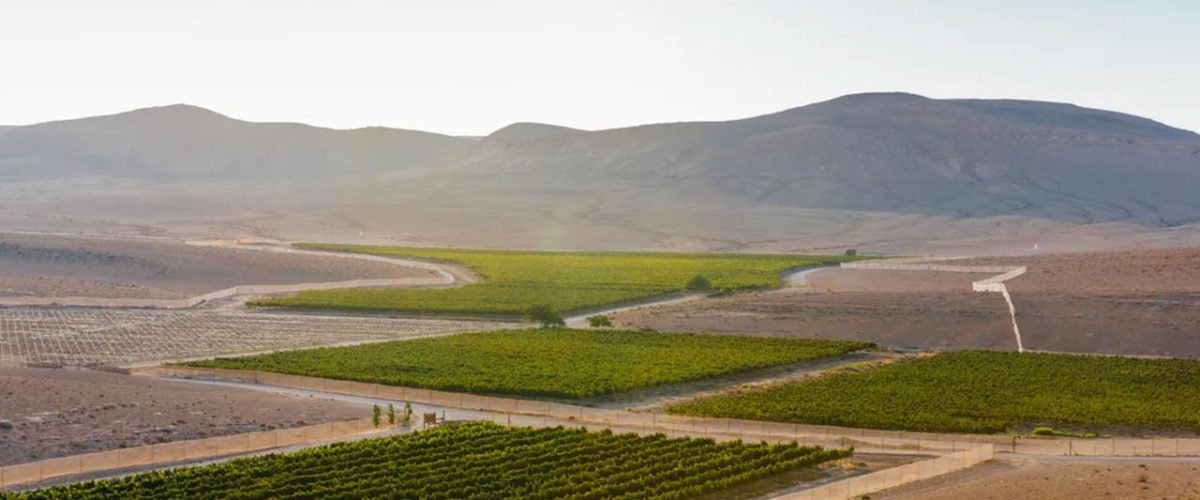
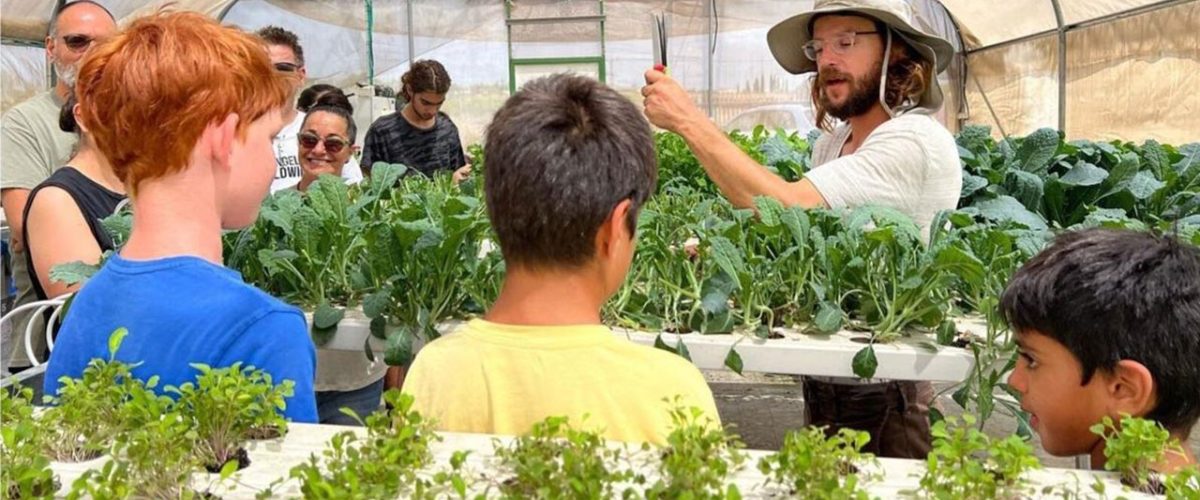
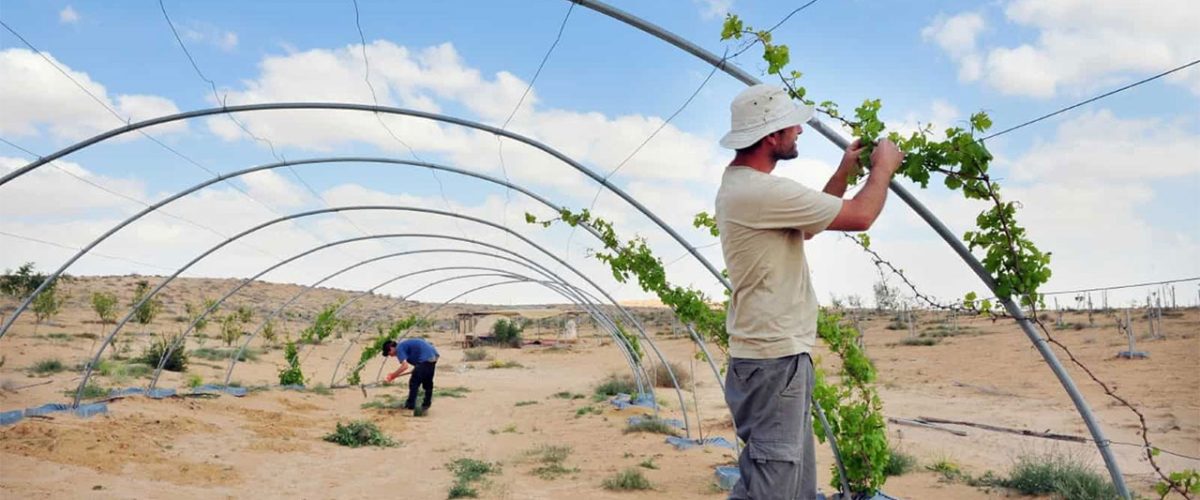
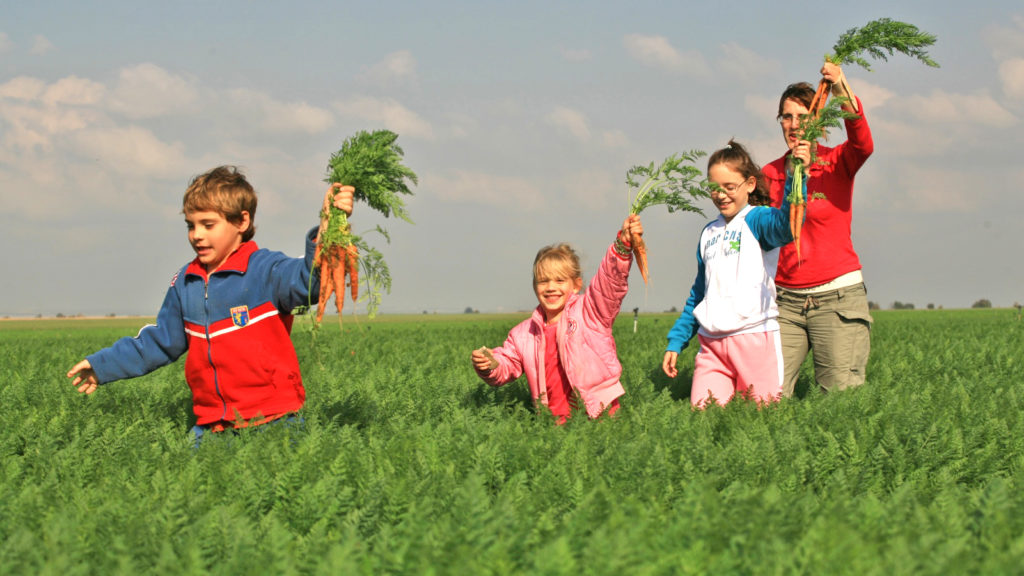
Modern agriculture began in 1943 with the establishment of three kibbutzim, and more followed after innovative irrigation methods were developed to conserve water for farming purposes. Pipelines and conduits bring water from northern and central Israel to the northwestern Negev, which has almost 400,000 acres (more than 160,000 hectares) of fertile loess soils. Irrigation, combined with the area’s year-round sunlight, produces fine crops of grain, fodder, fruits, and vegetables. The Yoel DeMalach Center for Desert Agriculture is a world-renowned institution for agricultural studies.
Water Conservation and Management
In the Negev desert, water conservation is crucial due to limited rainfall and arid conditions. In ancient times, methods like cisterns and runoff aqueducts were vital for survival. Modern innovations, including desalination, wastewater recycling, and efficient irrigation technologies such as drip irrigation, make agriculture viable in a region with few natural water sources.
Today, the Negev is blooming. Israel has become a world leader in water technology and conservation by meeting the challenge of making a desert climate flourish. Israel has exported knowledge about growing crops in increasingly hot and dry conditions and shares its flagship techniques of drip irrigation and recycling water to help countries around the world.
The Negev Today
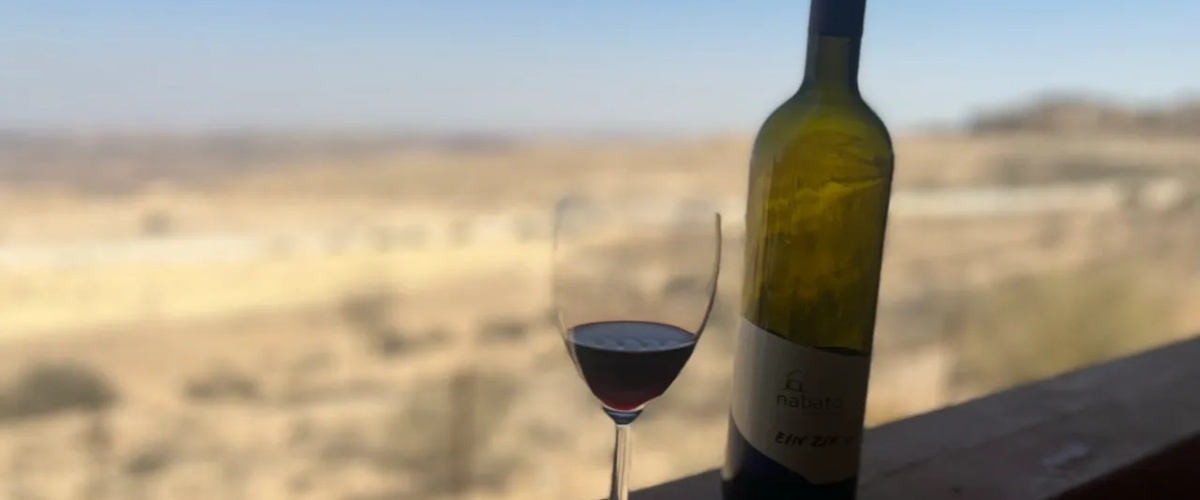
Jobs and development are being brought to the Negev through large-scale investments in technology and the relocation of Israeli Defense Force bases to southern Israel. The Negev is home to several of Israel’s world-renowned wineries, including Israel’s first solar-powered winery. The Yoel DeMalach Center for Desert Agriculture is housed in the Negev and is a leading institution in agricultural studies
Overall, the Negev is a multifaceted region that holds historical, strategic, and economic importance for Israel. Its desert landscape and unique cultural heritage make it a captivating and vital part of the Israeli landscape.